8 de octubre de 2025
¿Qué sucede si te niegas a una prueba de alcoholemia en Oregón?
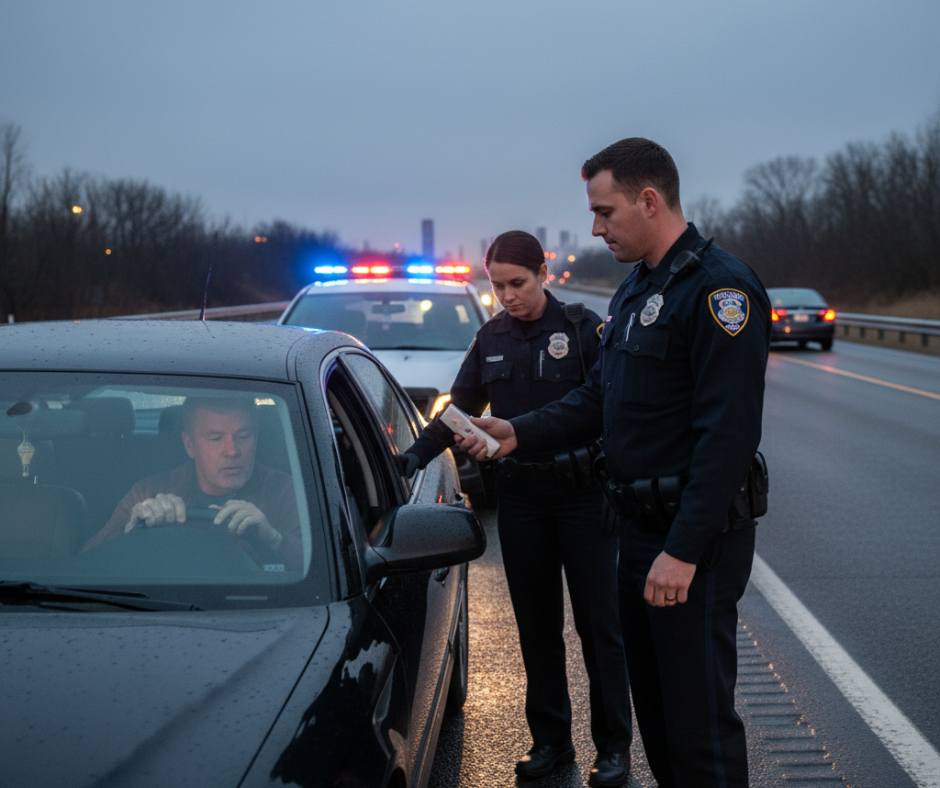
Imagínese luces destellantes en su espejo retrovisor, un oficial inclinándose y la pregunta: “"¿Te harás una prueba de alcoholemia?"”
En ese momento, tu respuesta tiene consecuencias reales. En Oregón, negarse a una prueba de alcoholemia podría impedir que el estado obtenga una cifra exacta de tu nivel de alcohol en la sangre (BAC), pero también desencadena sanciones automáticas, a menudo más severas, según la ley. Ley de consentimiento implícito de Oregón.
La verdad es que no hay una solución universal. Que la negativa sea beneficiosa o perjudicial depende de su historial, sus prioridades y los hechos de la detención. Analicemos cómo funciona la ley de Oregón, qué... “Rechazar el alcoholímetro en Oregón” realmente significa y qué puedes esperar si dices sí o no.
Ley de consentimiento implícito de Oregón
Cuando usted conduce en Oregon, usted acepta automáticamente tomar una prueba de aliento, sangre u orina como evidencia después de un arresto por DUII. Si un oficial tiene motivos razonables creer que estás incapacitado. Esto se llama Ley de consentimiento implícito.
Antes de administrarle una prueba, los oficiales deben leerle una “Formulario de ”Derechos y consecuencias”, que explica qué sucede si se niega a realizar la prueba o no la aprueba. Este aviso es importante: si el agente no la realiza correctamente, los resultados de la prueba o la negativa podrían ser impugnados posteriormente.
Punto clave: El consentimiento implícito sólo entra en vigor después del arresto. Hasta ese momento, usted no está legalmente obligado a responder preguntas sobre el consumo de alcohol ni a realizar pruebas de sobriedad en campo.
No se permiten pruebas de alcoholemia en carretera en Oregón
A diferencia de muchos estados, Oregón no... no Confíe en las pruebas de alcoholemia portátiles en carretera (PBT) antes del arresto. En cambio, la prueba de alcoholemia que importa es la prueba probatoria Se administra después del arresto, generalmente en una estación de policía o en un centro de desintoxicación con un Intoxilyzer 8000 máquina.
Esto significa que si le piden que sople en un dispositivo portátil en la carretera, puede negarse sin las mismas sanciones por consentimiento implícito. Es la prueba de la estación —la prueba probatoria— la que conlleva graves consecuencias legales.
¿Qué sucede si usted se niega a someterse a una prueba de aliento?
Rechazar una prueba de aliento desencadena una cadena de sanciones administrativas a través del DMV, aparte de cualquier caso penal de DUI (conducir bajo los efectos del alcohol). Esto es lo que enfrenta:
1. Suspensión de la licencia
Opción exclusiva: 1 año de suspensión
Denegación con determinados antecedentes en un plazo de 5 años: Suspensión de 3 años
2. Período de espera para el permiso por dificultades
Para una primera negativa, puede solicitar un permiso por dificultades limitadas. sólo después de 90 días.
En el caso de suspensiones más prolongadas, es posible que no califique en absoluto durante meses o años.
3. Pruebas en el juicio
Su negativa puede presentarse ante el tribunal como prueba de "conciencia de culpabilidad". La ley de Oregón permite a los fiscales argumentar que usted se negó porque sabía que fracasaría (ORS 813.310).
4. Sanción civil
Una negativa puede resultar en una Multa civil de $650 (separadas de las multas penales).
5. Consecuencias de la licencia CDL
Si tienes una Licencia de conducir comercial (CDL), El rechazo es devastador. Un primer rechazo generalmente significa Al menos una descalificación de CDL por 1 año, incluso si no conducía un vehículo comercial en ese momento.
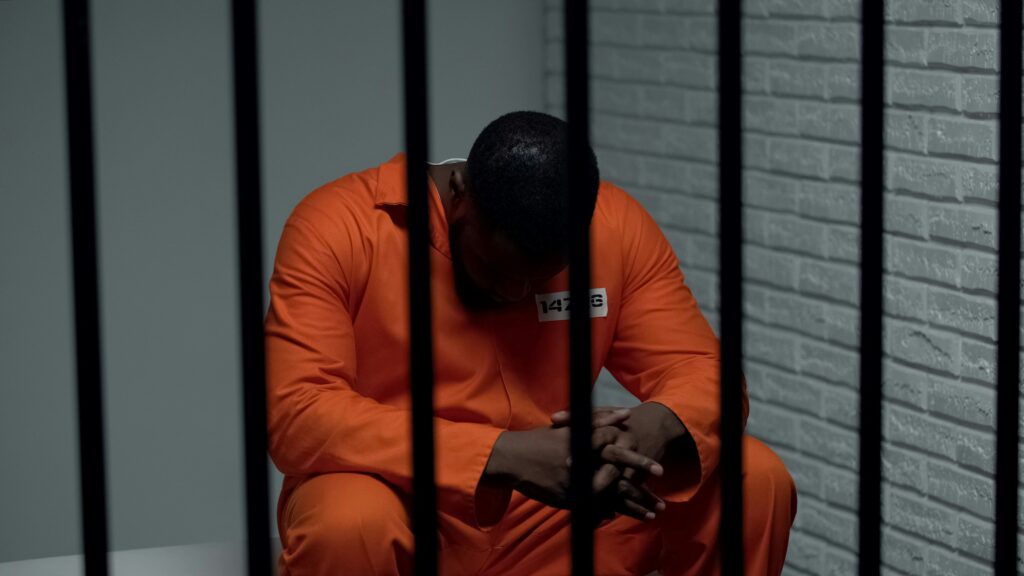
¿Qué pasa si me hago la prueba del alcoholímetro y no la apruebo?
Someterse a la prueba no significa evitar sanciones. Si su nivel de alcohol en la sangre es... 0,08% o superior (o cualquier alcohol si eres menor de 21 años), el DMV suspenderá tu licencia:
-
Primer fracaso:Suspensión de 90 días (permiso por dificultades posible después de 30 días)
-
Con antecedentes: 1 año de suspensión
Estas suspensiones son administrativo—provienen del DMV y son independientes de cualquier sanción penal que el tribunal pueda imponer si posteriormente es condenado por DUII.
La audiencia del DMV: la regla de los 10 días
He aquí uno de los plazos más críticos: sólo tienes 10 días a partir de la fecha de detención para solicitar una audiencia del DMV.
Si no lo haces, la suspensión comienza automáticamente y pierdes la oportunidad de impugnarla.
En la audiencia, su abogado puede preguntar:
-
Si el oficial tenía fundamentos legales para detenerlo y arrestarlo
-
Si los derechos de consentimiento implícito se interpretaron correctamente
-
Si la máquina estaba funcionando y correctamente calibrada
A veces, ganar la audiencia del DMV le permite seguir conduciendo mientras se desarrolla su caso penal. También puede exponer las debilidades del caso estatal.
¿Por qué algunas personas se niegan?
Los conductores a veces se niegan a someterse a una prueba de alcoholemia porque:
-
No quieren entregarle al estado evidencia científica sólida de su concentración de alcohol en sangre.
-
Creen que la negativa hará más difícil para el fiscal probar la discapacidad.
-
Consideran que la detención fue injusta y no quieren cooperar más.
Y es cierto: en algunos casos, la negativa dificulta el trabajo de la fiscalía, especialmente si la única evidencia es la observación del oficial y ningún resultado de la prueba química.
Por qué el rechazo puede ser contraproducente
Por otra parte, el rechazo tiene costos muy reales:
-
Suspensión más larga:1–3 años frente a 90 días para una primera falla
-
Retraso en el permiso por dificultades:90 días vs. 30 días
-
La negativa como prueba:Los fiscales pueden decirle al jurado que usted se negó
-
Multa civil:$650 penalización añadida
-
titulares de licencias de conducir comerciales (CDL): descalificación que pone fin a la carrera de muchos conductores
Para muchos delincuentes primerizos, negarse puede empeorar las cosas, no mejorarlas.
¿Ya te rechazaron o te fallaron? ¿Qué hacer ahora?
Si ya has rechazado o reprobado la prueba, lo más importante es... actuar rápidamente:
- Solicite su audiencia del DMV inmediatamente (dentro de 10 días).
- Llamar a un abogado defensor de confianza en casos de DUII para revisar la parada, los avisos y la prueba.
- Verificar la elegibilidad para el permiso por dificultades Para que sepas cuándo puedes volver a conducir.
- Recuerde: el DMV y los tribunales penales son separado—cada uno puede imponer suspensiones y estas pueden superponerse.
El panorama general: conducir bajo los efectos del alcohol en Oregón
Las pruebas de alcoholemia son solo una parte del enfoque de Oregón para la conducción bajo los efectos del alcohol. Los arrestos por conducir bajo los efectos del alcohol son comunes: en 2022, más de 25.000 personas fueron arrestadas por conducir bajo los efectos del alcohol en Oregón, y el deterioro es un factor en aproximadamente Un tercio de todos los accidentes mortales en todo el estado.
Estas cifras explican por qué Oregón tiene leyes estrictas y por qué tanto las negativas como los rechazos conllevan graves consecuencias.
En resumen: ¿Deberías negarte?
No hay una respuesta sencilla. Negarse puede ser beneficioso en el juicio, pero conlleva una suspensión mucho más larga, posibles sanciones civiles y consecuencias para la licencia de conducir comercial (CDL). Presentarse al examen puede acortar la suspensión, pero le proporciona al estado pruebas sólidas.
Si lo han arrestado por DUII, ya sea que se haya negado, haya fallado o simplemente no sepa qué hacer a continuación Comuníquese con Gilroy Napoli Short Law Group hoy para una consulta gratuita. Nuestros abogados de defensa penal de Oregón, incluyendo exfiscales, conocen cómo se construyen los casos de DUI en Oregón y cómo impugnarlos. Proteja su licencia, su historial y su futuro con ayuda experta ahora.