9 de agosto de 2025
Acusación formal vs. arresto: Las diferencias en los procedimientos legales en Oregón
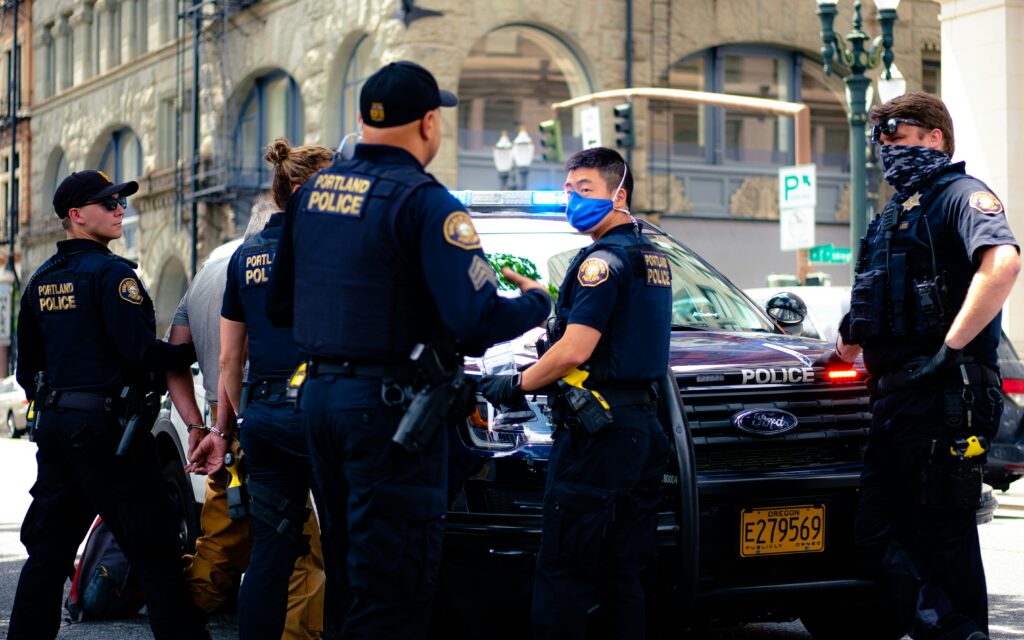
El sistema legal, especialmente las complejidades de los procedimientos de arresto y acusación formal, puede ser abrumador. Es crucial diferenciar entre conceptos legales clave como "acusación formal" y "arresto". Esta guía busca aclarar estos términos y ofrecer una visión general completa del proceso desde el arresto hasta la acusación formal en Oregón.
Cómo funciona el proceso legal
El proceso legal suele comenzar con el arresto cuando una persona es sospechosa de haber cometido un delito. Las autoridades pueden detener a una persona con una orden judicial o con base en una causa probable (pruebas suficientes para creer que se ha cometido un delito, lo que justifica un arresto sin orden judicial).
Una vez arrestada, se informa a la persona sobre sus derechos, incluyendo el derecho a guardar silencio, el derecho a representación legal y el derecho a un defensor público si no puede costear un abogado. También se podría exigir una fianza, que es una garantía financiera para la comparecencia del acusado ante el tribunal. La fianza garantiza que el acusado comparecerá a todos los procedimientos judiciales y es un paso crucial después de un arresto.
Si no se presentan cargos inmediatamente, los fiscales generalmente tienen hasta 30 días para hacerlo.
La emisión de una orden de arresto
Una orden de arresto, autorizada por un juez, permite a las fuerzas del orden detener a una persona. Se emite con base en causa probable y pruebas suficientes, a menudo presentadas por un fiscal. Para obtener una orden de arresto, se debe presentar una declaración jurada que describa las pruebas, estableciendo causa probable de que se cometió un delito e implicando a la persona mencionada en la orden.
El papel de los agentes de policía
Los agentes de policía son responsables de la detención de sospechosos, lo que incluye la identificación, localización y detención de personas sospechosas de delitos. Los agentes deben informar a los sospechosos sobre sus derechos Miranda antes del interrogatorio, garantizando el derecho a guardar silencio y la representación legal. Durante los arrestos, los agentes reciben capacitación para utilizar técnicas adecuadas para garantizar la seguridad, incluyendo órdenes verbales, métodos no letales y el uso de la fuerza necesaria, cumpliendo con los protocolos que protegen los derechos y la seguridad del sospechoso.
Consecuencias inmediatas de un arresto
Tras un arresto, la persona se somete a un proceso de fichaje en una comisaría, que incluye el registro de información personal, huellas dactilares y fotografías. Posteriormente, se le imputa el presunto delito y se le imputa la acusación formal. Durante la imputación formal, un juez revisa las pruebas para determinar si existe causa probable suficiente para imputar formalmente al acusado, quien deberá declararse culpable o inocente.
El Gran Jurado y su poder
Una acusación formal ante un gran jurado se basa en pruebas sustanciales y no implica culpabilidad, sino que inicia un proceso judicial. El fiscal presenta las pruebas ante el gran jurado, que actúa de forma confidencial. El gran jurado determina si existe causa probable para imputar a alguien por un delito, emitiendo una acusación formal (acusación formal) o desestimando el caso si las pruebas son insuficientes.
Descripción general de los procedimientos de acusación
Los grandes jurados federales operan en secreto para decidir si existen pruebas suficientes para imputar delitos graves. Al menos 12 miembros del gran jurado deben concordar en la causa probable para una acusación formal. El acusado y su abogado no suelen asistir a estos procedimientos, lo que genera preocupación por la posible parcialidad y presentaciones parciales del fiscal.
Pruebas y decisiones del gran jurado
Los delitos federales, que violan la Constitución de los Estados Unidos, prevalecen sobre las leyes estatales y requieren una acusación formal para los delitos graves. Los delitos menores federales no requieren acusación formal, pero los delitos graves sí. Los delitos federales conllevan penas más severas y las directrices de sentencia son más estrictas que las de los delitos estatales.
La importancia de las acusaciones federales
Los delitos federales, que violan la Constitución de los Estados Unidos, prevalecen sobre las leyes estatales y requieren una acusación formal para los delitos graves. Los delitos menores federales no requieren acusación formal, pero los delitos graves sí. Estos últimos conllevan penas más severas, y las directrices de sentencia son más estrictas que las de los delitos estatales.
En qué se diferencian el arresto y la acusación
El arresto y la acusación formal son etapas distintas en el sistema de justicia penal. Un arresto, iniciado por las fuerzas del orden o un fiscal, marca el inicio de un proceso judicial basado en una causa probable. Una acusación formal, emitida por un gran jurado, indica que existen pruebas suficientes para proceder a juicio, lo que generalmente da lugar a una orden de arresto si el acusado no se encuentra ya detenido.
Del arresto a la posible acusación

El proceso desde el arresto hasta la posible imputación implica múltiples etapas cruciales, cada una esencial para el desarrollo de un caso penal. Tras el arresto, se inicia una investigación centrada en la recopilación de pruebas, como declaraciones de testigos, análisis forenses y grabaciones de vigilancia. Este exhaustivo proceso tiene como objetivo determinar si existen pruebas suficientes para justificar la imputación de un delito. El fiscal de distrito o el fiscal general tienen la autoridad para presentar cargos tras el arresto, evaluar las pruebas recopiladas y aplicar los estándares legales para decidir si procede o no.
Consecuencias legales y derechos
Tras el arresto, las personas pueden enfrentar consecuencias legales inmediatas, como libertad condicional o multas. Conservan derechos como el silencio y la protección contra la autoincriminación. Una acusación formal inicia un proceso penal formal, que obliga al acusado a navegar por el sistema legal y a enfrentar posibles consecuencias judiciales.
Cómo afecta la Quinta Enmienda a las acusaciones
La Quinta Enmienda protege a las personas de enfrentar cargos graves sin la aprobación del gran jurado, garantizando la imparcialidad y limitando el poder del gobierno. Permite a las personas guardar silencio y no declarar contra sí mismas durante las interacciones con las fuerzas del orden y los procedimientos del gran jurado.
Estrategias de defensa
Al enfrentar cargos penales, es crucial buscar la asistencia de un representante legal experimentado lo antes posible. Un abogado defensor, como los de Gilroy Napoli Short Law Group, le ayudará a navegar el proceso legal y a proteger los derechos del acusado. Sus principales responsabilidades incluyen proteger los derechos del acusado, revisar las pruebas, negociar con la fiscalía y brindar defensa durante el juicio.
Cómo elegir un abogado penalista calificado en Oregón
Seleccionar una abogado defensor penal altamente calificado Es una decisión crucial. Un abogado de primera puede influir significativamente en la probabilidad de lograr el resultado más favorable, lo que la convierte en una decisión crucial.
Cómo prepararse para las audiencias preliminares y el juicio
La preparación para las audiencias preliminares y el juicio implica obtener representación legal, comprender los cargos y recopilar pruebas. Durante las audiencias, el acusado tiene derecho a contrainterrogar a los testigos y presentar su propia evidencia. Un abogado con experiencia puede brindar una asistencia invaluable en la preparación para estas etapas cruciales del proceso legal.
Fiscalía federal y estatal
Enfrentar cargos penales varía significativamente según si son estatales o federales. Los cargos federales suelen conllevar penas más severas y requieren una acusación formal ante un gran jurado para delitos graves. En cambio, los cargos estatales en Oregón suelen implicar procedimientos y penas diferentes.
Cómo las diferencias jurisdiccionales afectan el procesamiento penal
La jurisdicción estatal se aplica a los delitos cometidos dentro del estado de Oregón, mientras que la jurisdicción federal se aplica a los delitos que afectan los intereses nacionales o que trascienden las fronteras estatales. Estas diferencias pueden afectar las leyes, los procedimientos, los cargos, la carga de la prueba y las directrices de sentencia. Comprender estas diferencias jurisdiccionales es crucial.
Preguntas frecuentes
¿Es acusar lo mismo que arrestar?
No, un arresto es cuando alguien es puesto bajo custodia policial, mientras que una acusación es una acusación formal realizada por un gran jurado basada en la evidencia presentada.
¿Qué significa cuando alguien es acusado?
Una acusación formal significa que un gran jurado ha acusado formalmente a un individuo de un delito, iniciando el proceso legal para el juicio.
¿Cuál es la diferencia entre acusación formal y comparecencia formal?
Una acusación formal es una acusación formal realizada por un gran jurado, mientras que una lectura de cargos es un procedimiento judicial en el que el acusado escucha los cargos y presenta una declaración.
¿Acusado y acusado es lo mismo?
Ser acusado y imputado implican acusaciones formales de un delito, pero la acusación la realiza un gran jurado y los cargos los presenta un fiscal.
¿Cómo protege la Quinta Enmienda a las personas durante el proceso de acusación?
La Quinta Enmienda permite a las personas invocar su derecho a no autoincriminarse y requiere la participación de un gran jurado en caso de cargos graves.
El proceso legal, desde el arresto hasta la acusación formal, es un proceso complejo, pero comprender las distinciones y los derechos involucrados puede ser de gran ayuda para afrontar esta difícil experiencia. Para quienes enfrentan cargos penales en Oregón, buscar la ayuda de un abogado calificado de Gilroy Napoli Short Law Group es un paso esencial para garantizar un resultado justo y equitativo. Contáctenos ahora para una consulta.